

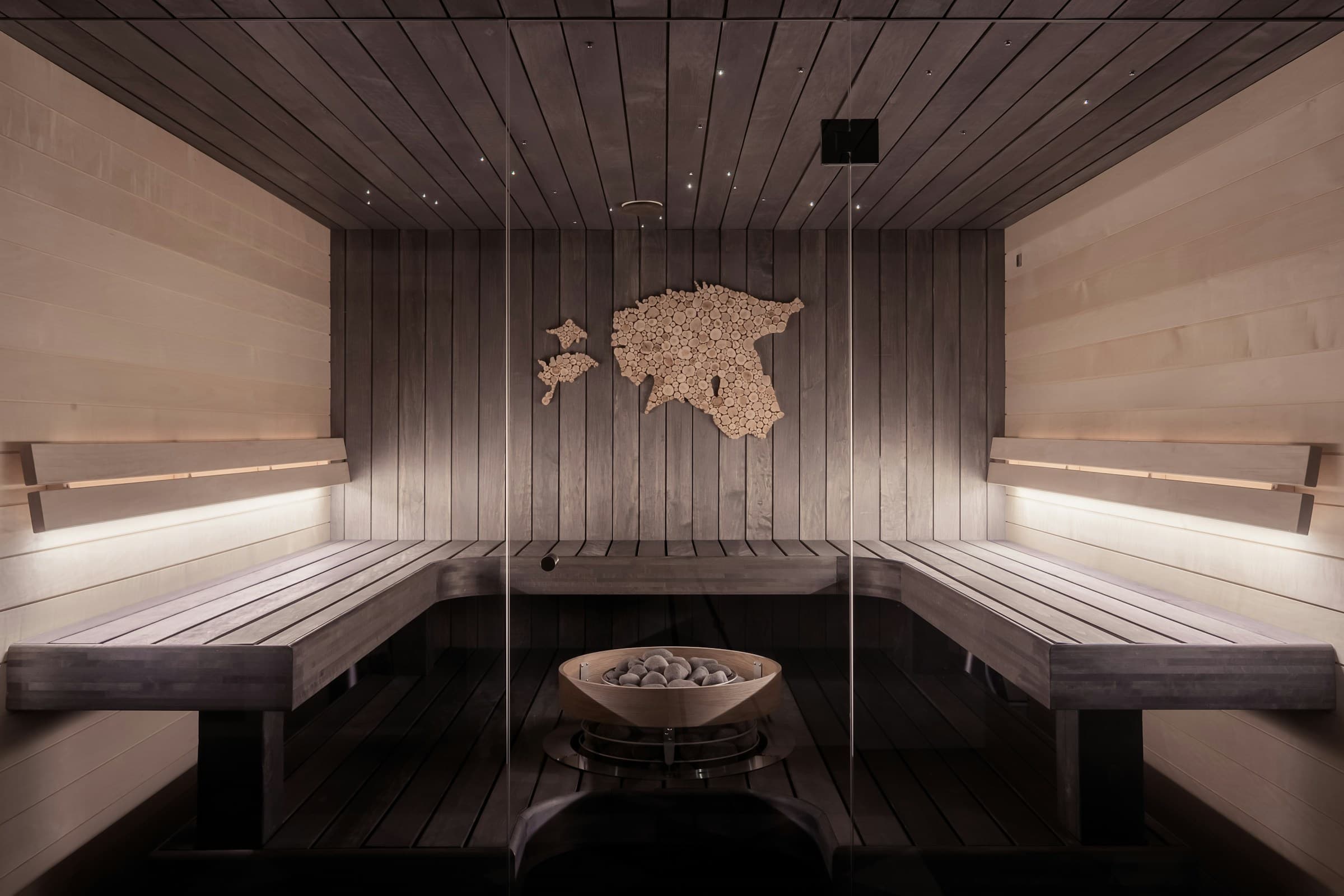
Denver Bathhouses (2026): Beyond a Sauna and a Cold Plunge
The complaint about Denver's bathhouse boom is by now well-rehearsed: everybody who bought a sauna and a cold tub is calling the result a bathhouse.…
The complaint about Denver's bathhouse boom is by now well-rehearsed: everybody who bought a sauna and a cold tub is calling the result a bathhouse. That's a contrast-therapy studio — a real product, often a good one, but not the same thing. This is the typology piece: what each bathing tradition actually is, how the etiquette differs, and what to ask so you don't pay for the wrong one.
What separates a bathhouse from a sauna-and-plunge studio?
A bathhouse is a building and a sequence, not an appliance. The traditions that gave us the word share three features: more than two temperatures, a wet room where you can actually get clean, and somewhere to sit for a long time between rounds. A contrast studio sells one heat source, one cold source, and a booked slot.
That last part matters more than people expect. Almost every bathing culture is built on repetition — heat, cool, rest, repeat, three or more times, with the rest often as long as the heat. A 50-minute reservation with a timer on the wall structurally cannot deliver that. It isn't a scam; it's a different product wearing the same word.
What's actually different between a Finnish sauna, a banya, a jjimjilbang, and a hammam?
Finnish sauna is hot and, despite the "dry sauna" label Americans use, not meant to stay dry. Air temperatures traditionally run 167–212°F at low ambient humidity, but the whole practice turns on löyly — the Finnish word covering both the steam and the heat that comes off the stones when you ladle water onto them. Because the room and the benches sit above the dew point, the wood stays dry and the water condenses on you instead. A bundle of leafy birch twigs, the vihta or vasta, is used to slap the skin.
Russian banya runs wetter and often hotter still — steam rooms frequently exceed 199°F. The classic layout is three rooms: an entry room, a washing room, and the parilka. The signature is the venik, a bundle of birch, oak or eucalyptus branches soaked in very hot water, then fanned and struck against the body to drive heat into the skin. Most people take it on the second or third round, not the first. You wear a felt or wool hat so your scalp and hair don't cook. Between rounds you cool hard — cold water, outside air, snow — then sit drinking tea, which is less an intermission than half the point.
Korean jjimjilbang is the least like the others, because it's two buildings stacked. Downstairs is a gender-segregated, fully nude wet floor: showers, scrub stations, tubs. Upstairs is co-ed and clothed — you change into a provided T-shirt and shorts, color-coded by gender — with heated ondol floors and a set of kiln rooms lined with jade, salt or minerals, running roughly 60°F to 120°F, ice room included. There's food, and often sleeping mats, because the format assumes hours, not an appointment.
Turkish hammam is a progression of rooms from cold through warm to hot, built around the göbektaşı, a heated marble slab you lie on. The defining feature isn't a tub, because there usually isn't one: you're washed under running water rather than by immersion, scrubbed with a coarse kese mitt and soap. It's done to you, by an attendant of your own gender, and it's more vigorous than first-timers expect.
Soaking bathhouses on the Japanese model treat the tub itself as the event — several tubs at different temperatures, a full seated wash at a stool-and-bucket station before you get in, and nothing in the water but people.
Can you actually get löyly here?
This is the question people move here carrying, and the honest answer is that you have to ask directly, every time. A lot of American facilities don't permit guests to pour water on the rocks at all. Sometimes that's liability; more often it's equipment, since a small electric heater with a shallow stone tray can't absorb much water without tripping out.
Ask two things before you buy: whether the stove has a deep bed of rocks, and whether guests are allowed to throw water. Also worth knowing that infrared is not a sauna, and Finnish sauna organizations say so outright — infrared panels heat your skin directly at a much lower air temperature. Enjoy it if you like it. There is no löyly in it.
What etiquette will you get wrong?
Wash before you get into anything, and in the Japanese and Korean models that means a full seated scrub, not a rinse. Nothing goes in the water — no towel, no soap, no swimsuit where the facility is nude. In a banya, wear the hat, and don't take a venik to somebody who didn't ask for one. In a jjimjilbang you're nude downstairs and dressed upstairs; reversing those is the mistake visitors actually make. Tattoos can still get you turned away at traditional Japanese baths, so ask ahead. In the US, "co-ed" nearly always means swimsuits.
What should you ask before booking?
Whether admission is timed or open-ended. What the heat source is and whether you can pour water on it. Whether there's a wet room where you can get properly clean. Whether nudity is required, permitted or prohibited, and how the space is segregated. And whether there's somewhere to rest between rounds that isn't the lobby — a place that can't answer that one is selling you a timer.
What are the honest downsides?
The category turns over fast — a Denver venue in the research for this guide shut down abruptly in mid-2026 with no notice, so confirm the door is open before you drive. Cost per minute runs high next to a day at a hot spring. And the health claims in the marketing consistently outrun the evidence, worth remembering when a membership is pitched as medicine.
Practical Notes
- A booked 50-minute slot can't deliver a rounds-based sequence — check whether admission is timed before comparing prices.
- Ask outright whether guests may pour water on the stones. Plenty of US facilities say no.
- Infrared is a different product from sauna, not a cheaper version of one.
- Wash thoroughly before entering any communal tub, and keep towels and soap out of the water.
Talk to a doctor before starting heat-and-cold bathing if you're pregnant, have a heart condition or blood pressure that isn't well controlled, or take medication affecting heart rate or blood pressure. Don't cold plunge alone.
See More
Free download
3 free Denver guides. Yes, really.
The Food & Drink Field Guide, the Weekend Playbook, and the New-to-Denver Starter Kit, yours the second you sign up. Plus one email a week, unsubscribe anytime.
Free. 3-minute read. Unsubscribe in one click.