How to Actually Make Friends in Denver (2026)
You've been here six months or a year. You have coworkers you like well enough, a few people you follow on Instagram but never see, and a smaller inner...
How to Actually Make Friends in Denver (2026)
Updated May 2026
You've been here six months or a year. You have coworkers you like well enough, a few people you follow on Instagram but never see, and a smaller inner circle than you expected. The bar thing isn't producing what you hoped. It isn't you. Denver has a well-documented dynamic locals call the Denver Freeze, everyone arrives alone, forms tight friend groups in their first year out of necessity, then closes the loop. People aren't unfriendly; they're just full.
The standard advice ("put yourself out there," "say yes to everything") isn't wrong but is incomplete: adult friendship forms through repeated low-stakes contact with the same people over time, not one great conversation. Denver has infrastructure for exactly that kind of contact if you know where to look. This guide is the map.
The One Principle That Changes Everything
The sociologist Robin Dunbar has a number, 150, for how many stable social relationships a person can maintain. But the more useful research for this problem comes from studies on adult friendship formation, which consistently show that it takes between 40 and 60 hours of shared time before someone moves from acquaintance to friend. In college, those hours accumulate accidentally, shared classes, shared dorms, shared dining halls. After 25, they have to be engineered.
This means the architecture of your social calendar matters more than how charming you are at any given event. A weekly commitment, a run club that meets every Saturday, a climbing gym you visit every Tuesday, a trivia night you attend every other week, is structurally more likely to produce real friendships than ten different one-off events at ten different bars. The goal is not to maximize the number of new people you meet. It's to create recurring contexts where you see the same people repeatedly without the social pressure of a formal friendship-building agenda.
The practical implication:Choose one or two recurring activities and commit to them for at least six weeks before evaluating whether they're working. The first two sessions of anything are awkward. The third one is when people start to recognize you. The sixth one is when someone suggests grabbing a beer after.
Third Spaces: The Infrastructure Nobody Talks About
The urban sociologist Ray Oldenburg coined the term "third place" in the 1980s to describe the spaces that are neither home (first place) nor work (second place), the coffee shop, the barbershop, the park bench, the local bar, where community forms organically through repeated, low-stakes contact. The thesis is that the erosion of third places is one of the primary drivers of adult loneliness in American cities, and Denver is not immune to this.
The distinction between a third place and just a place is important. A third place is somewhere you can go alone, be recognized over time, and gradually become a regular without having to perform an agenda. A bar you visit once is not a third place. The same bar where you go every Thursday, know the bartender's name, and have started recognizing the Tuesday regulars, that's a third place. The goal is to find your Denver third place and inhabit it consistently enough that it starts doing social work for you.
ESP HiFi
1029 Santa Fe Dr, Santa Fe Arts District · Sun, Tue 4, 11PM · Wed, Fri 4PM, midnight · Sat 10:30AM, midnight
Denver's HiFi listening bar is the rare venue built around the idea of slowing down and paying attention, to the record, to the room, to the person next to you. The sound system is meticulously tuned, the lighting is low, and the format naturally produces conversation between strangers in a way that loud bars don't. Go alone on a Sunday or Monday when the crowd is smaller and the bartenders have time to talk. Regulars here tend to be interesting people who take music seriously, which is a reasonable filter for the kind of friend you're looking for.
Denver Bicycle Café
1308 E 17th Ave, Uptown · Daily from 7AM
A combined bike repair shop and café on 17th Avenue that functions as a genuine community hub for Denver's cycling world, mechanics, commuters, road cyclists, and people who just like coffee in a room that smells like chain grease. The format lends itself to conversation: people come in with bikes that need work, wait around, and talk. The group rides that originate here regularly pull in new people. Even if you don't cycle seriously, the café side is good enough to justify being a regular, and the social density of people who do cycle is high.
My Brother's Bar
2376 15th St, LoHi · Mon, Sat from 11AM
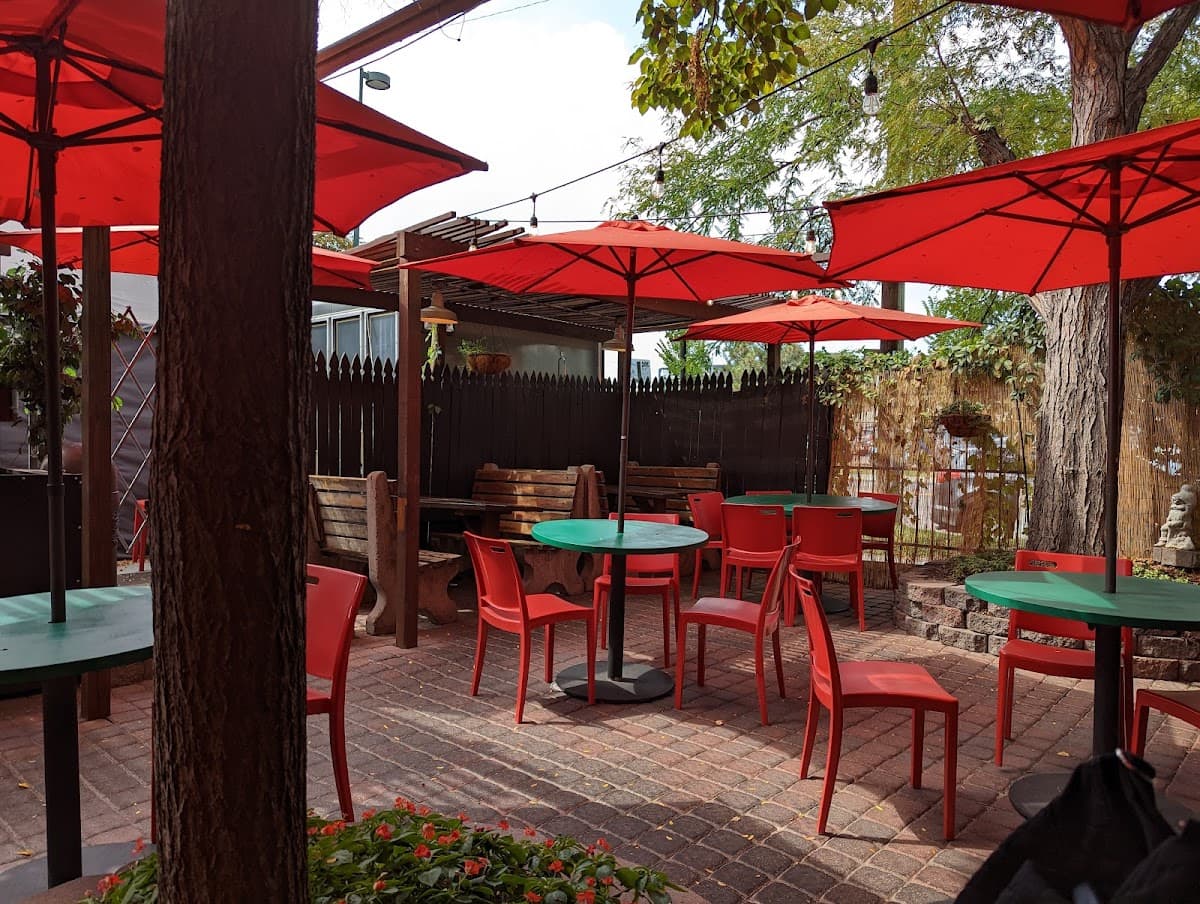
Denver's oldest bar, no sign outside, no TVs inside, cash preferred. The format is deliberately analog in a way that produces actual conversation, you're not staring at a screen, you're talking to whoever's next to you. The regulars here are genuinely regular in the way that bar regulars used to be before everyone started going to new places every weekend. It's not a singles scene or a pickup bar. It's closer to a living room with beer. That's the point.
South Pearl Farmers Market
S Pearl St, Platt Park · Sundays 9AM, 1PM (May, November)
The best third space in Denver that nobody describes as a third space. South Pearl on Sunday morning is a weekly neighborhood ritual, the same vendors in the same spots, the same crowd doing the same loop, the same coffee window with the same line. It takes about four or five visits before you start recognizing faces, and about ten before you start talking to them. Bring a dog if you have one. It accelerates the timeline significantly.
Stanley Marketplace
2501 Dallas St, Aurora · Daily
Fifty-plus local businesses in a converted aviation hangar, and one of the better ambient social environments in Denver precisely because it's not trying to be one. People come to eat, shop, and wander without an agenda, which is the precondition for the kind of unplanned conversation that third places are built around. The climbing gym and the brewery inside both generate regulars. Going on a weekday afternoon when the crowd is lighter and the vendors have time to talk produces better results than a busy Saturday.
Globe Hall
4483 Logan St, Globeville · Thu, Sun evenings
The best small music venue in Denver inside a 1903 lodge in Globeville, Texas BBQ, a back patio, and a room that feels like a community rather than a venue crowd. Shows here top out at a few hundred people, which means you're close enough to strangers that conversation happens naturally. Show up early enough to eat, and you'll have talked to at least two people before the opener finishes. Go back for a second show two weeks later and you'll recognize people from the first one.
Run Groups
Running groups are one of the most reliable friendship-formation mechanisms in Denver, for reasons that are almost entirely structural. You show up at the same place every week. The activity is side-by-side rather than face-to-face, which removes the performance pressure of direct social interaction. The run itself gives you something to talk about. And most groups end at a coffee shop or bar, which converts the workout contact into social time naturally. The recurring format does the hard work.
November Project Denver
Free · Various Denver locations · Wednesday and Friday mornings · 6:25AM
The most welcoming entry point on this list, full stop. November Project is a free fitness movement that started in Boston and runs in cities worldwide, Denver's chapter meets twice a week, is explicitly open to any fitness level, and has a culture that is aggressively inclusive in a way that isn't performative. The Wednesday workouts rotate through different Denver landmarks and parks; the Friday workouts focus on hills. The community that has formed around it is real and active beyond the workouts themselves. If you want one recurring commitment that will produce actual friends within two months, this is it.
Flock Running
Denver · Various weekly runs · Check Instagram for schedule
A Denver run crew with a strong social identity, more lifestyle-oriented than race-focused, which means the post-run social component is taken seriously. The crowd skews late 20s to mid-30s and the format is genuinely low-pressure about pace. The weekly consistency of it is what matters: this is the kind of group where you'll know half the regulars by name within a month.
Fleet Feet Denver Group Runs
200 Fillmore St, Cherry Creek · Free · Various days and distances
Fleet Feet's Cherry Creek location runs structured group runs several times a week at different paces and distances, which makes it one of the more accessible entry points for people who are newer to running and don't want to show up to a crew run and feel out of place. The runs start and end at the store, and the store itself functions as a gathering point. Training programs for half marathons and marathons are another level of commitment that accelerates friendship formation because you're training alongside the same people for 12, 16 weeks.
Colfax Marathon Training Groups
Various Denver locations · Jan, May · Check runcolfax.org for programs
Training for the Colfax Marathon in May is one of the better social structures Denver offers for a specific reason: you're locked into a 16-week commitment with the same group of people, running increasing mileage through winter and spring, which produces the kind of shared-struggle bonding that accelerates friendship on a different timeline than a casual weekly run. The race itself, with 25,000 participants and spectators lining East Colfax all morning, is a genuine city event worth being part of.
Cycling
Denver's cycling scene is large, established, and has its own social infrastructure that most non-cyclists don't know exists. The range runs from the extremely casual to the competitive, but the sweet spot for friendship-making is the group ride format, regular, recurring, and with a built-in social period at the end.
Denver Cruiser Ride
Cheesman Park · Monday evenings in summer · Free · 6PM
The Denver Cruiser Ride is a Monday-night summer tradition that has been running for over 20 years: a casual, costumed, beer-fueled group cruise through different Denver neighborhoods, typically 300, 600 riders on any given Monday, ending at a bar or park somewhere in the city. There is no pace requirement, no gear requirement, and no social agenda beyond showing up on a bike and having a good time. For anyone who wants a large, recurring, genuinely fun social event that requires zero personal initiative beyond showing up, this is the answer. The regulars know each other well. New people fold in naturally every week.
Rapha Denver
2401 Larimer St, RiNo · Regular club rides and events · Check rapha.cc
Rapha's Denver clubhouse runs regular group rides and social events out of their RiNo location, more serious than the Cruiser Ride in terms of pace and kit, but with a strong community culture that Rapha has built deliberately as part of their brand. The café inside is worth knowing about as a standalone third space for the cycling crowd. If you're already into road or gravel cycling and want to meet people who take it seriously, this is the most established entry point in the city.
Denver Bicycle Café Rides
1308 E 17th Ave · Regular group rides · Check their calendar
The Bicycle Café organizes regular rides of varying distances and intensities that start and end at the café, which means the social component is built in before and after the ride, rather than requiring a separate plan. The crowd here trends more toward the everyday cyclist and commuter than the Rapha crowd, which makes it a more accessible entry point for people who ride recreationally rather than competitively.
Climbing Gyms
Climbing gyms are one of the most underrated social environments in Denver, and the reason is structural. Bouldering in particular is an activity where you stand around between attempts, watch other people try problems, offer beta, and gradually develop rapport with whoever you see regularly. It's an activity that rewards community knowledge-sharing, which means talking to strangers is built into the format rather than being awkward. The gyms know this and lean into it, most have social events, intro classes, and community boards that formalize the social infrastructure.
Movement Denver
Two locations: Denver (City Park) and Denver Englewood · movementgyms.com
The largest climbing gym chain in Denver with a strong community culture around their social programming, regular Tuesday night bouldering nights where the crowd is deliberately social rather than training-focused, intro classes that pair you with a small group for two hours, and a membership community active enough that you'll start recognizing faces within a few weeks of regular visits. If you've never climbed, the intro course is explicitly designed to be a social on-ramp. If you already climb, Tuesday nights are the session to be at.
The Spot Bouldering Gym
3240 Huron St, RiNo · thespotgym.com
Denver's original bouldering-focused gym with a loyal regular crowd that skews younger and more social than a typical fitness gym. The Spot has been around long enough that it has genuine regulars, people who've been coming for years and know each other well, and enough new membership turnover that new people are absorbed regularly. The RiNo location means the post-session bar is a five-minute walk in any direction.
Rec Sports and Social Leagues
Rec sports leagues are the most structured version of the recurring-contact principle: you're committed to a season, you play on the same team every week, and the format generates a natural social arc from strangers to teammates to, if the chemistry is right, actual friends. Denver's rec sports infrastructure is strong enough that you can find a team in almost any sport at almost any skill level with a few hours of searching.
Denver Sports & Social Club
Multiple sports, multiple neighborhoods · denversportsandsocial.com
The largest social sports organization in Denver, running leagues in volleyball, kickball, dodgeball, flag football, softball, bocce, and more across dozens of locations around the metro. You can join as an individual and get placed on a team, which removes the barrier of having to organize a group yourself. The format includes post-game socials at sponsor bars, which makes the transition from sports to socializing automatic. The "social" in the name is not marketing, the league is explicitly designed around the idea that the sports are the container and the socializing is the point.
Denver Metro Volleyball Social League
Multiple locations across Denver · dmvsl.com
One of the oldest and largest recreational volleyball leagues in Denver, with divisions from beginner through competitive and a strong culture of individual sign-ups getting placed on teams. Volleyball specifically tends to produce tight team bonds because the format requires coordination and communication in a way that softball doesn't, you end up relying on your teammates in a specific way that accelerates trust. The post-game bar is an institution in this league.
Denver Ultimate Frisbee
Check Meetup and local Facebook groups · Various Denver parks
Denver has a larger ultimate frisbee community than most people realize, both competitive club leagues and casual pickup games in city parks throughout the summer. The culture around ultimate tends to be more intentionally welcoming than most other sports: the "spirit of the game" ethos is real, and newcomers are absorbed without the hazing culture that exists in some other sports communities. Hat tournaments (where players are randomly assigned to teams) are a particularly good entry point for meeting people outside your existing social circle.
Speed Friending and Intentional Social Events
Speed dating has evolved into something broader, "speed friending" events, stranger dinner parties, and intentionally structured social events designed specifically for adults who want to meet people but find the bar-and-hope-for-the-best format inefficient. Denver has a growing infrastructure for this, and the people who show up to these events are, by definition, people who are motivated to meet new people, which is a significant filter in a city where the Denver Freeze otherwise applies.
Timeleft
App-based · Weekly stranger dinners at rotating Denver restaurants
Timeleft is a weekly stranger dinner concept: you fill out a personality profile, get matched with five other people you've never met, and receive the name of a restaurant 24 hours before the event. You show up, find your table, and have dinner with strangers. It sounds terrifying. In practice it's one of the most efficient social mechanisms available to adults in a new city, the format is structured enough that conversation flows naturally, the shared context (we all signed up for this weird thing) breaks the ice immediately, and the people who use it are uniformly people who want to meet someone genuinely new. Denver has an active Timeleft community. This is worth trying at least once.
Speed Friending Denver
Eventbrite · Various venues · Search "speed friending Denver" or "social mixer Denver"
Speed friending events follow the speed dating format but oriented toward platonic connection, you rotate through short conversations with a room full of people who are explicitly there to meet new friends. The format feels awkward in description and surprisingly natural in practice. Eventbrite runs new Denver events regularly; the best ones are venue-specific (a board game bar, a brewery) rather than generic event-space affairs, because the venue gives you something to talk about beyond "so where are you from."
Denver Improv Classes
Bovine Metropolis Theater · 1527 Champa St, Downtown · Classes start regularly
Improv classes are one of the most consistently recommended ways to meet people as an adult, for reasons that are specific rather than vague: you're in a class with the same 10, 12 people for 6, 8 weeks, the exercises require genuine vulnerability and active listening, and the shared awkwardness of learning something new together accelerates trust faster than any bar conversation. Bovine Metropolis is Denver's primary improv school and theater. You don't need any performance background or interest in performing. The classes work as a social vehicle independent of what you do with the skills afterward.
Speed Dating Denver
Eventbrite and dedicated organizers · Various Denver venues
Speed dating events specifically oriented toward dating run regularly in Denver through several organizers, check Eventbrite and search by age bracket. The relevant point for this guide is that the format works as a social accelerator even when you leave without a match: you've practiced introducing yourself 15 times in an evening, you've met people who are actively looking to meet people, and the social muscle you build at these events transfers to every other context on this list. The crossover between "people who go to speed dating" and "people who are new to Denver and trying to meet people" is significant.
Board Games and Card Nights
Board game bars have emerged as one of the better third spaces for adult friend-making for a specific reason: the game is the social lubricant. You don't have to manufacture conversation, the game generates it. The format is side-by-side (or across a table) activity rather than the face-to-face pressure of a networking event, the games create natural shared stakes and shared jokes, and the venues are designed to facilitate extended stays rather than fast turnover.
Settlers
Multiple Denver locations · settlersgames.com
Denver's dedicated board game bar chain, with an extensive library of games and staff who help you pick based on group size and preference. Settlers runs regular game nights and events beyond the standard open-play format, specific game nights, tournament-style events, and themed evenings that bring in a consistent crowd. Going to a Settlers event specifically (rather than just drop-in play) is the version most likely to produce recurring contacts.
Snakes & Lattes Denver
Denver location · snakesandlattes.com
A Canadian board game café concept with a Denver outpost, table fee model, hundreds of games, food and drinks, and a format that naturally extends sessions to several hours. The community nights here draw people who come specifically to meet other players rather than just to play with existing friends, which makes them a better entry point for someone coming solo or in a pair than the standard walk-in experience.
Poker Nights and Card Meetups
Meetup.com · Search "poker Denver" or "card games Denver"
Denver has an active Meetup.com community for poker and card game nights, low-stakes social games rather than serious gambling, held in bars, living rooms, and community spaces throughout the metro. These groups tend to have stable membership that rotates new people in gradually, which makes them one of the better structures for building a consistent recurring social circle rather than a one-off event contact. The game format means you're committing to two to four hours in the same room with the same people every session, the hours accumulate quickly.
Trivia Nights
Trivia is underrated as a friendship vehicle because it solves the core problem of adult socializing: it gives you something to do together rather than something to talk about. A good trivia team is a recurring commitment with built-in stakes and shared humor, and the host-venue relationship means you have a consistent third place with a built-in weekly ritual.
Geeks Who Drink
Multiple Denver venues · Weekly · geekswhodrink.com
The largest trivia operation in Denver, running weekly pub quiz nights at dozens of venues across the metro. Find a venue in your neighborhood, go twice in a row, and you'll start recognizing the regulars. The format rewards returning teams, which means there's social incentive to come back with the same people, and the teams that have been coming for months are often open to adding a new face if you ask. The Geeks Who Drink host community is also its own social network if you end up going to events at multiple venues.
Venue-Specific Trivia Nights
Check individual venue calendars
Beyond Geeks Who Drink, most Denver bars with any regulars run a weekly trivia night. My Brother's Bar runs trivia that draws a loyal crowd. Nocturne Jazz does themed trivia events. Local breweries like Odell at Sloan's Lake and Cerebral Brewing have regular trivia formats. The venue-specific nights tend to draw a more neighborhood-anchored crowd than the Geeks Who Drink circuit, which is useful if you're trying to build connections in a specific part of the city.
Fitness Classes and Group Training
Group fitness classes occupy an interesting position in this landscape: the format produces recurring contact with the same people on a predictable schedule, but the class itself typically doesn't generate conversation, you're working out, not socializing. The key is what happens before and after. The people who arrive early and stay after are the ones making friends. If you show up two minutes before class and leave immediately after, you're extracting the fitness and leaving the social value on the table.
November Project Denver
Free · Wednesday and Friday mornings · nov-project.com/denver
Worth mentioning again because it sits in a category of its own. November Project is genuinely free, explicitly social, held outdoors rain or snow, and has a community culture that does the hard work of integration for you, there's a designated "hugger" whose job is to make sure no one stands alone at the start of a workout. The community is tight enough that it functions like a friend group rather than an event, and new people are absorbed into it faster than almost any other recurring activity in Denver. Wednesday locations rotate through Denver landmarks; Friday workouts are on a specific set of hills. Both sessions are worth committing to.
Yoga Studios with Community Programming
Various Denver studios · Check Mindbody for local options
The studios where friendship forms are the ones where the same instructor teaches the same class at the same time every week, draws a consistent regular crowd, and creates space before and after class for people to actually talk. The Highlands and LoHi have the highest density of studios with this community orientation. The key filter when choosing a studio: does it feel like a membership community or does it feel like a gym? The difference is visible within one visit.
Volunteering
Volunteering is the most underrated category on this list for a specific reason: the shared purpose and the recurring schedule combine to produce the kind of trust and connection that purely social activities take much longer to generate. You're working on something together, you're not performing, and the context filters for people with a certain orientation toward the world, which is a meaningful filter when you're trying to build a friend group rather than just an acquaintance network.
Denver Food Rescue
Various Denver locations · denverfoodrescue.org · Shifts available most days
A Denver-based organization that rescues surplus food from grocery stores, restaurants, and events and redistributes it to communities that need it. Volunteer shifts are short (one to three hours), flexible, and run throughout the week, which makes it compatible with most schedules. The model pairs volunteers on bike deliveries, which produces two to three hours of side-by-side activity with whoever you're paired with, exactly the kind of unstructured time that adult friendships are built from.
Denver Urban Gardens
Multiple garden locations across Denver · dug.org · Seasonal volunteer opportunities
Denver Urban Gardens manages over 180 community garden plots across the city, and the volunteer work at those gardens draws a consistent crowd of people who care about food, community, and outdoor work. Garden workdays are informal enough that conversation happens naturally, and the recurring seasonal schedule means you see the same people over months rather than once. For anyone who wants their volunteer hours to double as social time, this is one of the more pleasant formats available.
Colorado Trail Foundation
Trail segments throughout Colorado · coloradotrail.org · Weekend and week-long crews
Trail maintenance volunteering through the Colorado Trail Foundation involves showing up to a trailhead, spending a day doing physical outdoor work with a group of strangers, and then either camping together or dispersing. The day-long format is long enough that you move past small talk. The outdoor setting is a shared context that most volunteers are genuinely excited about. And the demographic, people who care enough about Colorado's trail system to give a Saturday to maintain it, is a reasonable filter for finding people you'll actually want to spend time with.
Classes and Creative Spaces
Taking a class as an adult is the most structurally sound friendship mechanism that exists, same people, same room, same shared learning experience, for a defined period with a clear endpoint that creates natural momentum toward "let's get a drink" when it wraps. The specific subject matter matters less than the recurring format and the group size (8, 15 people is the sweet spot; larger classes don't produce the same intimacy).
Bovine Metropolis Theater, Improv Classes
1527 Champa St, Downtown · bovine.net · Classes start regularly year-round
Already covered in the speed friending section, but worth its own entry: a Level 1 improv class at Bovine Metropolis is an 8-week commitment with 10, 14 people that produces genuine friendships at a rate that's hard to match elsewhere. The exercises are specifically designed to build trust and shared vulnerability, the humor that emerges from learning together creates inside jokes faster than almost any other shared activity, and the end-of-course show gives the group a shared culminating experience. Multiple people in the Denver friend-making conversation name improv as the single thing that worked for them when other approaches hadn't.
Ceramics and Pottery Classes
Denver Ceramics and various studios · Check Eventbrite for intro workshops
Pottery classes have an unusual social dynamic: the tactile, messy, focused nature of the work produces a specific kind of relaxed openness that more cerebral activities don't. You're making something, you're not performing, you look slightly ridiculous, and the side-by-side format at a shared worktable generates conversation without requiring it. Multi-week intro courses at Denver Ceramics and similar studios run 6, 8 weeks with consistent enrollment, the format that works best for this purpose.
Cooking Classes
Sur La Table Cherry Creek · Various independent chefs on Airbnb Experiences and Eventbrite
Cooking classes produce some of the most naturally social environments available because you're producing something together, you eat the results together, and the shared stakes (don't ruin the dish) create team dynamics quickly. The independent chef classes on Airbnb Experiences and Eventbrite tend to be smaller (6, 10 people) and more social than the Sur La Table format, but both work. The one-session format means you won't form deep friendships from a single class, but the quality of conversation in a well-run cooking class is high enough to produce genuine follow-up plans.
Apps and Platforms That Are Actually Useful
Most of the apps for adult friendship-making are either abandoned or awkward in practice. The ones below have active Denver communities and are worth installing, in roughly descending order of usefulness.
Meetup.com, Still the most comprehensive directory of recurring Denver social groups. Search by interest rather than by what sounds fun at first glance, the groups with strong recurring attendance are the ones worth joining, regardless of the activity. Hiking groups, language exchange, photography walks, poker nights, professional networks, and hundreds of others with active Denver chapters.
Timeleft, The stranger dinner app, already covered above. Weekly dinners, personality-matched groups of six, restaurant revealed 24 hours before. The most interesting new social infrastructure available in Denver right now.
Bumble BFF, The friendship-mode version of Bumble, better than its reputation suggests for Denver specifically because the transplant density means there are genuinely a lot of people using it actively. The format rewards low-stakes coffee meetups rather than treating matches like friend auditions.
Strava, If you run or cycle, Strava's local club and segment features connect you to Denver's active community in a way that leads to in-person runs and rides faster than most apps. Following local athletes and joining local clubs produces real-world contact consistently.
Partiful, An event-hosting app that's taken over from Facebook Events for Denver's younger social infrastructure. Following people on Partiful after you meet them once means you'll see when they're hosting something and have a low-friction way to continue contact.
Nextdoor and neighborhood Facebook groups, Underrated for finding hyperlocal social events: block parties, neighborhood cleanups, pop-up social events, and the informal stuff that doesn't show up on Eventbrite. If you want to know what's happening on your specific block, these are more useful than any city-wide platform.
Dog Owners: A Category Unto Themselves
If you have a dog, you have a social advantage that is not fully appreciated until you use it. Dog parks are the most functional third space in Denver for one specific reason: the dog handles the introduction. You don't have to think of something to say. You just watch the dogs, make a comment about your dog or their dog, and the conversation is already happening. Denver's dog parks are well-maintained, heavily used, and distributed throughout the city, which means there's a local dog park social ecosystem wherever you live.
City Park Off-Leash Area, Large, well-trafficked, draws a social crowd from the Whittier, City Park West, and Congress Park neighborhoods. Morning regulars become genuinely regular.
Berkeley Lake Park, The northwest Denver dog community, draws the Sunnyside and Berkeley crowd, smaller and more neighborhood-specific than City Park.
Harvard Gulch Dog Park, The anchor park for the Baker, Platt Park, and University neighborhoods. Regular morning crowd is consistent enough to become a genuine recurring social context within a few weeks.
Beyond dog parks: the South Pearl Farmers Market on Sunday mornings draws a disproportionate number of dog owners, and the combination of dogs + vendors + coffee creates the most naturally social outdoor environment in Denver from May through October.
How It Differs by Generation
The strategies in this guide apply to everyone, but the centers of gravity shift meaningfully by age cohort, partly because of how each generation came up socially, partly because of the specific moment they're at in life, and partly because Denver itself has changed enough over the last decade that the city offers a different experience to a 25-year-old arriving in 2026 than it did to a 32-year-old who arrived in 2018.
The patterns below are tendencies, not rules. There are millennials at every run club in Denver and Gen Z at every brewery trivia night. The gravitational pull is real though, and understanding where your generational cohort tends to cluster makes it easier to find people who are at your stage of life.
Gen Z (Roughly 24, 28)
Run clubs are the defining social venue of late Gen Z in Denver right now, covered extensively in national media, often half-jokingly described as the new dating apps, and structurally aligned with how this cohort prefers to socialize: morning rather than late-night, activity-centered rather than alcohol-centered, visible and public rather than private and invitation-only. Flock, the various Strava-coordinated crews pulling 20, 80 people on a Saturday morning, and November Project are where Gen Z's social infrastructure is actively forming in this city.
The broader pattern beyond run clubs: Gen Z gravitates toward third spaces over bars, sobriety-curious or sober-friendly events over heavy drinking, mid-day or morning socializing over late nights, and apps that facilitate planned in-person meetings (Partiful, Timeleft) over the older text-based-connection model of dating apps adapted for friendship. Coffee shops function as primary social venues rather than secondary ones. Listening bars like ESP HiFi work better with this cohort than a typical Denver loud-bar setting. Climbing gyms, hot pilates, pickleball, and walking groups are all in their moment.
The friend-formation pattern is more activities, smaller groups, more frequent contact, less alcohol-mediated. The default mode is "let's go do something together" rather than "let's grab a drink." For someone in this age range building a Denver social life from scratch, the most aligned strategy is to commit to a recurring run club or fitness community as the primary engine, and let bar evenings emerge as a secondary consequence rather than a primary search.
Where Gen Z is gathering:Flock Running and other run crews, Movement and The Spot climbing gyms, ESP HiFi on Sunday and Monday nights, South Pearl Farmers Market, hot pilates and Solidcore studios, RiNo coffee shops on weekend mornings, Timeleft stranger dinners, Partiful-organized house parties, pickleball leagues at city rec centers.
Younger Millennials (Roughly 28, 34)
The center of gravity for younger millennials in Denver is the brewery and the rec league, the structures this generation came up with and continues to gravitate toward as adult social infrastructure. The DSSC kickball league, the Tuesday night trivia at the local brewery, the Colfax Marathon training group, the recurring brunch crew. Alcohol is more central to the social format than it is for Gen Z, and the format runs more often face-to-face (a meal, a drink) than side-by-side (a run, a climb).
This is the cohort most likely to be in the in-between stage, out of the heaviest going-out years but not yet fully settled into the partnered-with-kids social pattern that defines older millennials. The friend-making problem at this stage often takes a specific shape: an existing core group of two or three close friends from previous chapters of life, plus a desire for a wider local network that the core group can't fully provide. The strategy that tends to work best is a recurring activity with a strong post-activity social component, a trivia team, a rec league, a marathon training group, a book club, where the activity provides the structural recurrence and the bar afterward provides the conversational space.
The defining shift for this cohort over the last few years has been a move outward from the bar-as-default toward more intentional formats: dinner clubs, supper clubs, Partiful house parties, specific-activity groups. The bar is still in the rotation but no longer carries the whole social load.
Where younger millennials are gathering:Denver Sports & Social Club rec leagues (kickball, volleyball, softball), brewery trivia at Cerebral, Odell at Sloan's Lake, and Great Divide, the Colfax Marathon training pipeline, Globe Hall and Mission Ballroom shows, weekend brunch institutions (Onefold, Linger, Root Down), Bovine Metropolis improv classes, dinner clubs, ski-trip-cohort weekends.
Older Millennials (Roughly 35, 40)
Older millennials in Denver are often working a different version of the friend-making problem: more couples-oriented, more likely to have kids or be in the process of having them, more time-constrained, and more likely to be evaluating new social commitments through the filter of "is this worth the time away from my partner, my kids, or my recovery on Sunday morning." The strategies that work for this cohort tend to be either family-compatible (couples dinner clubs, kid-friendly outdoor events, partnered hiking groups) or efficient (high-quality recurring commitments rather than open-ended scenes).
Volunteering is disproportionately effective at this age range, the shared purpose, the time-bounded format, the demographic filter for people who have their priorities sorted. The Colorado Trail Foundation, Denver Urban Gardens, and the broader pipeline of community-oriented orgs draw a substantial older-millennial crowd. Wine clubs, supper clubs, and reading clubs that meet monthly rather than weekly fit better into the constrained schedules at this stage. The social ski trip, five couples in a mountain house for a long weekend, is its own institution.
The pattern that tends to work for this cohort is fewer commitments held more deeply: one recurring activity with a tight-knit group rather than three different scenes. The relationships formed at this stage tend to last longer and matter more, partly because the time investment to form them is higher and partly because the people involved are at a stage where they're actively pruning their social circles toward fewer-and-deeper.
Where older millennials are gathering:Volunteer crews (Colorado Trail Foundation, Denver Urban Gardens, Denver Food Rescue), supper and dinner clubs, monthly book clubs, wine groups, partnered hiking and ski cohorts, neighborhood block-level relationships in Highlands, Wash Park, and Congress Park, kid-adjacent social structures (school parents, soccer leagues, neighborhood pool memberships), Colorado Trail Foundation work weekends.
The Honest Framework
Every item on this list shares the same underlying structure: recurring, low-stakes, side-by-side activity with the same people over time. That's the mechanism. The specific activity is secondary to whether it produces the repeated contact hours that adult friendship requires. A board game bar you attend once is a nice evening. The same board game bar you attend every other Thursday for two months is a friend group in formation.
The secondary principle is self-selection. The people at November Project at 6:25 AM on a Wednesday have already filtered themselves by showing up. The people at a Timeleft dinner have already signaled that they're motivated to meet new people. The person who's been at the same Globe Hall show you've been to three times in a row is a person with compatible taste. These filters matter more than volume, ten intentional recurring contacts will produce more real friendships than a hundred first-meeting introductions.
The Denver Freeze is real, but it's not impenetrable. It's a structural problem with a structural solution: find the recurring format, commit to it past the awkward early sessions, and let the hours accumulate. The people who say they "just got lucky" with their Denver friend group almost always, on closer examination, joined something, a run club, a rec league, a climbing gym, and stayed with it long enough for the luck to show up.
Frequently Asked Questions
What is the Denver Freeze?
The Denver Freeze is the widely observed social dynamic where Denver residents are superficially warm but difficult to actually get close to. The structural cause is a high rate of transplants who arrived alone, formed tight friend groups quickly out of necessity, and then closed the loop. The groups become self-sustaining and stop naturally absorbing new people, not out of hostility, but out of the inertia of having enough friends. The implication for newcomers is that passive social strategies (going to bars, meeting people once) are less effective in Denver than in cities with more porous social networks, and that active, recurring-commitment strategies are the reliable workaround.
What is the fastest way to make friends in Denver as an adult?
November Project Denver is the most consistently cited answer among people who've successfully built a friend group here from scratch, free, twice a week, explicitly welcoming, with a community culture that does the integration work for you. After that: an improv class at Bovine Metropolis (8 weeks, same 12 people, trust-building built into the format), a rec sports league through Denver Sports & Social Club (season-long commitment, post-game bar built in), or Timeleft dinner events (stranger dinners, weekly, active Denver community). The common thread in all of these is a structured recurring commitment rather than an open-ended social event.
What are the best third places in Denver?
My Brother's Bar for the analog, regulars-oriented bar experience. ESP HiFi for the listening bar format that naturally produces conversation. South Pearl Farmers Market for the Sunday morning ritual that builds neighborhood recognition over time. Globe Hall for the small-venue music community. Denver Bicycle Café for the cycling community. The specific third place that works best for you is the one that's closest to where you live and easiest to attend on a recurring basis, proximity and convenience are more important than quality when building a third-place habit.
Are there social groups for people in their late 20s and 30s in Denver?
Yes, and Meetup.com is the most reliable directory. Search "Denver 20s 30s" and you'll find multiple active groups running regular events, happy hours, hiking, game nights, and social mixers specifically oriented toward this demographic. The quality varies; look for groups with consistent attendance (not just high RSVP counts, which are often inflated) and regular recurring events rather than sporadic one-offs. November Project, Denver Sports & Social Club, and the rec leagues skew heavily toward this age range and don't require the Meetup.com filter.
Is Bumble BFF worth using in Denver?
More worth using than most people expect, for Denver specifically. The transplant density means there's a genuine critical mass of people using it actively rather than the abandoned-account problem that plagues it in smaller cities. The format works best when you treat it like a low-stakes coffee match rather than a friend audition, one hour at a neighborhood coffee shop, see if there's any natural energy, and if there is, make a specific plan for the next meeting before you leave. The people who say it doesn't work are usually the ones waiting for the other person to suggest something concrete.
How long does it realistically take to build a social life in Denver from scratch?
With an active approach, one or two recurring commitments, consistent attendance, willingness to initiate, most people report having a functional social circle within six to twelve months. The first three months are the hardest because nothing has accumulated yet. Month four through six is usually when the recurring contacts start converting into actual friendship. A year in, most people who used some version of the strategies on this list have a social life they feel good about. The people who take longer are almost always the ones who relied on passive strategies, going to events, meeting people once, waiting to be included, rather than active recurring commitment.
Get the weekly Denver guide in your inbox every Wednesday →
What's happening this weekend, neighborhood guides, and what's worth knowing. Subscribe free.
See you out there, Denver.
Keep Reading
Frequently Asked Questions
Why is it hard to make friends in Denver?
Locals call it the Denver Freeze: most people arrive alone, form tight friend groups in their first year out of necessity, then stop looking for new people. It isn't that Denverites are unfriendly, they're just already full on social bandwidth.
How long does it actually take to make a real friend as an adult in Denver?
Research on adult friendship formation shows it takes 40 to 60 hours of shared time to turn an acquaintance into a friend. A weekly recurring activity builds those hours far faster than one-off events at different bars each time.
What's a good third place to meet people in Denver?
Denver Bicycle Café on 17th Avenue in Uptown works well since it's a bike shop and café where people wait around and talk, and it produces group rides that pull in new people. South Pearl Farmers Market on Sunday mornings is another, though it takes about four or five visits before you start recognizing faces.
Is My Brother's Bar in Denver a pickup bar?
No. The guide describes it as Denver's oldest bar, with no sign outside, no TVs, and cash preferred, a deliberately analog spot where regulars actually talk to each other. It's described as closer to a living room with beer than a singles scene.
Is it actually hard to make friends in Denver?
It's a transplant city, so nearly everyone is in the same boat: harder than college, easier than most big cities. The people who crack it pick one recurring thing and show up three weeks in a row.
How do I meet people in Denver without going to bars?
Recurring beats one-off: run clubs, rec leagues, climbing gyms, classes, and volunteer shifts. Anything weekly where the same faces show up will do more than any single event.
Free download
New to Denver? Skip the trial and error.
The New-to-Denver Starter Kit, free the second you join: where to live, how to find your people, and what to do first. Plus the Food & Drink Field Guide and the Weekend Playbook. One short email a week.
Free. 3-minute read. Unsubscribe in one click.